Not just what the science says. How to apply it in real classrooms.
Each session pairs the neuroscience with classroom application, so you leave with strategies to use, not just ideas to think about.
PD Credits Available
Neuroeducation Symposium
A free, 3-day online symposium for K-12 educators. Upgrade for extended access, a certificate of completion, and the option to earn graduate-level PD credit through our university partner.
Nov. 14-16, 2026
K-12, Administrators, Interventionists & Support Staff
with Experts in Education, Child Development & Educational Neuroscience
Live Each Day, Free to Attend with Practical Classroom Applications
Graduate Professional Development Credit Available
Every lesson, every interaction, every outcome starts with the brain.
Most classroom management and motivation strategies rest on outdated assumptions about how kids learn, feel, and behave, not the science we now have of how the brain works.
I’ve spent years talking with parents and educators, and I keep seeing the same gap: what we ask teachers to do, and what a developing brain actually needs.
That gap costs kids dearly. Years, sometimes.
This symposium closes it. Nine areas of educational neuroscience turned into strategies for every school day — cognition, memory, the nervous system, stress, environment, relationship, emotion, purpose and autonomy. Not theory to file away. Just what’s true about how kids learn, and what to do about it.
Everything changes when you apply educational neuroscience in the classroom.
Retrieval and spaced practice are among the best-supported findings in learning science: less reteaching, more lasting retention.1
Autonomy reliably increases intrinsic motivation. It’s not less structure, just different structure.2
Brains vary widely in how they process, focus, and regulate. Instruction built for that variability reaches every learner in the room.3
Belonging is consistently tied to academic performance and behavior. It’s a mechanism, not a nice-to-have.4
A regulated nervous system recovers from stress in minutes, not the whole class period.5
Understanding what’s happening neurologically replaces guesswork with clarity, for you and your students.
Not just what the science says. How to apply it in real classrooms.
Each session pairs the neuroscience with classroom application, so you leave with strategies to use, not just ideas to think about.
Part 1: Understanding the Brain in the Classroom
Part 2: What Shapes Learning: Environment, Relationship, Stress, Emotion
Part 3: Activating Learning: Memory, Agency, and Active Practice
Most classroom management strategies were built on outdated assumptions about behavior, not on what neuroscience now shows about how kids actually think, feel, and learn.
This training helps you build classrooms that work for all types of learners and offers positive experiences to students and teachers alike.
Most of what happens in a classroom — a meltdown, a kid who checks out, a lesson that doesn’t stick — traces back to the same three things: what’s happening in the nervous system, what the environment and relationships are signaling, and how the brain actually builds memory.
This training provides the tools needed to read what’s driving behavior, build the belonging and trust that makes learning possible, and teach in ways that match how learning actually works.
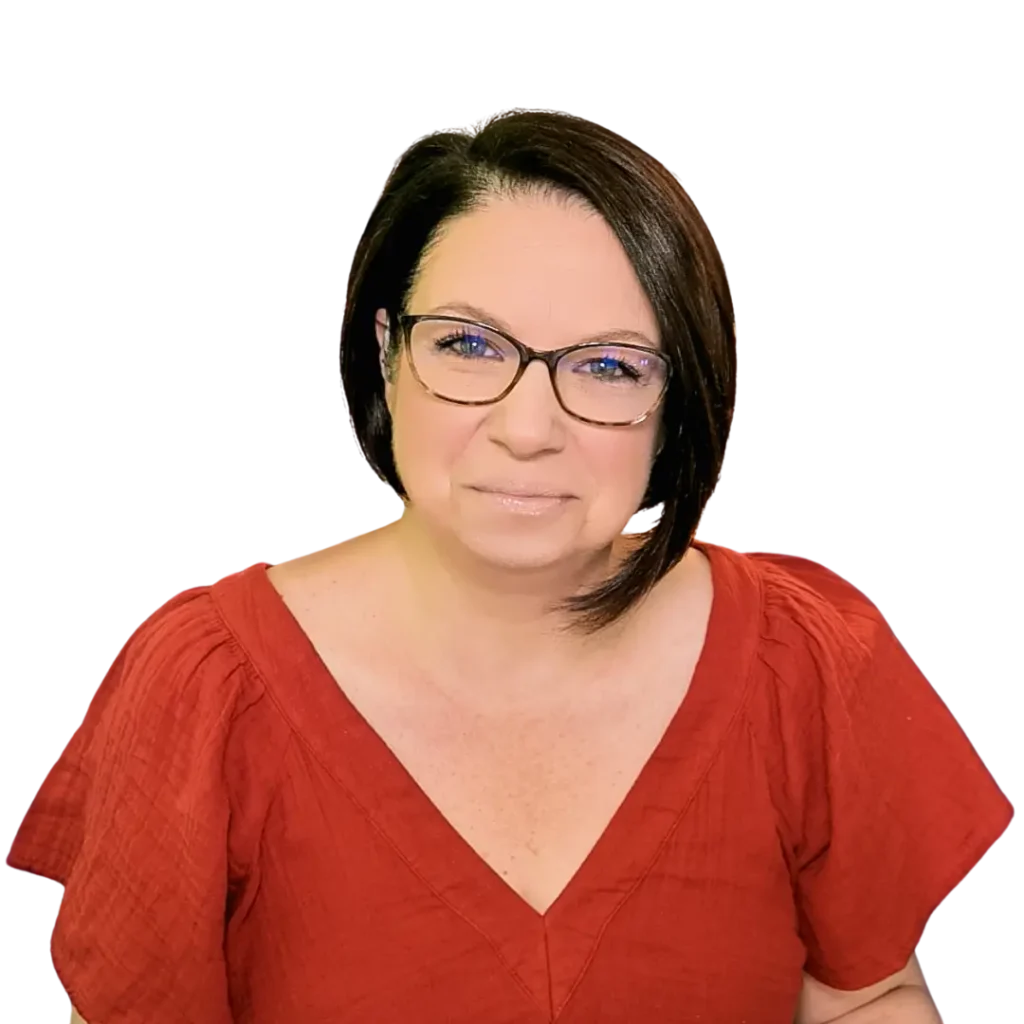
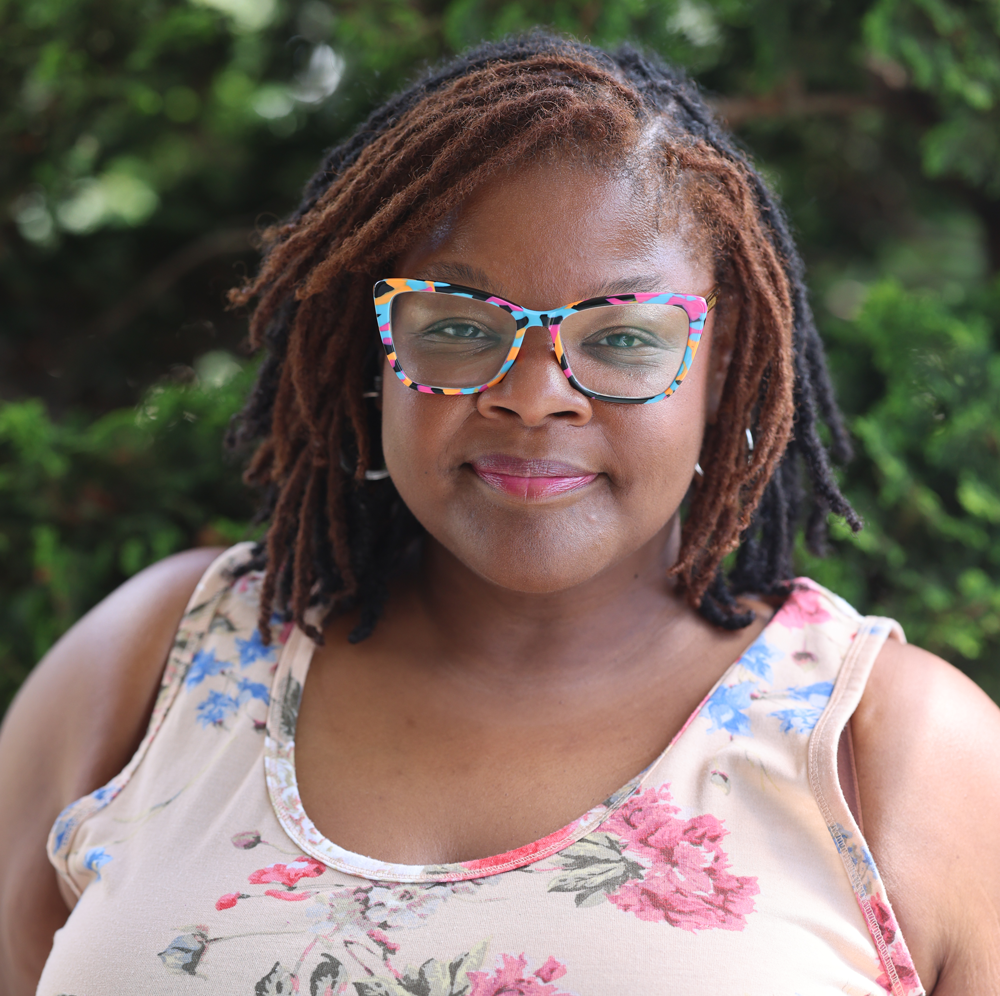
I’m not a classroom teacher. I’m the parent who sent you emails, sat across from you in IEP meetings, and hoped we could find a way through together.
I’ve spent over a decade working with parents and educators of neurodivergent kids as a podcast host, author, coach, and now as a graduate student in Applied Educational Neuroscience. From both sides of that table, I kept seeing the same gap: teachers want to help, but the training and systems you were handed weren’t built on how kids’ brains actually work.
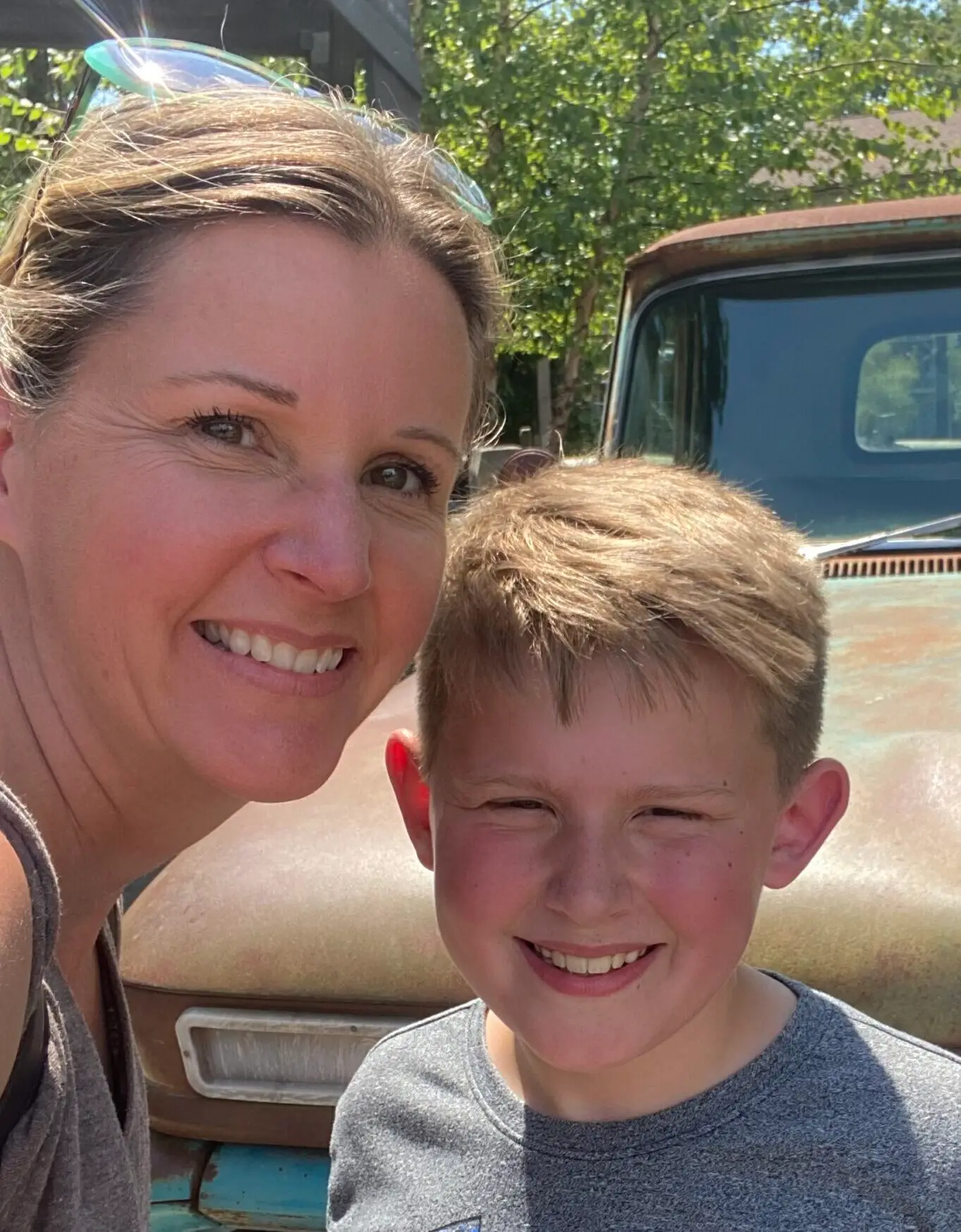
This symposium is what I wish had existed for every teacher my own son ever had.
Thank you for the work you do with kids and teens!
“Many educators I work with have an old-school approach where the child needs to conform to the rules in the classroom. I am realizing more and more that when students don’t comply, it isn’t because they won’t, it’s because they can’t.”
“The [sessions] reaffirmed my current practices and approach and gave me some great mantras. My favorite from Penny was "You can either co-escalate or co-regulate" Total game changer.”
"I'm already seeing small improvements. Acknowledging students for their little achievements gives them so much confidence and improves their self worth."
"It reaffirmed that I am on the right track for my new career and has taught me more ways to help children who struggle at school."
"I'm already seeing improvement. I learned to get down on my students' level, give one direction at a time, and wait for them to complete it before giving the next. It works so much better."

"I've already bought little notebooks for my kids to write answers and I will be more mindful to not let the extroverts rule the day. I will work more at being present for the quiet ones."
"I'm new to tutoring, after over 30 years in education, so I found every session informative and worthwhile."
"I've already implemented some accommodations for my struggling math students so I can document what works and what doesn't. I was so thrilled to get more insight on how to further help my struggling mathematicians and their families."
Free access, an Individual Pass, or a Multi-Use Organization License
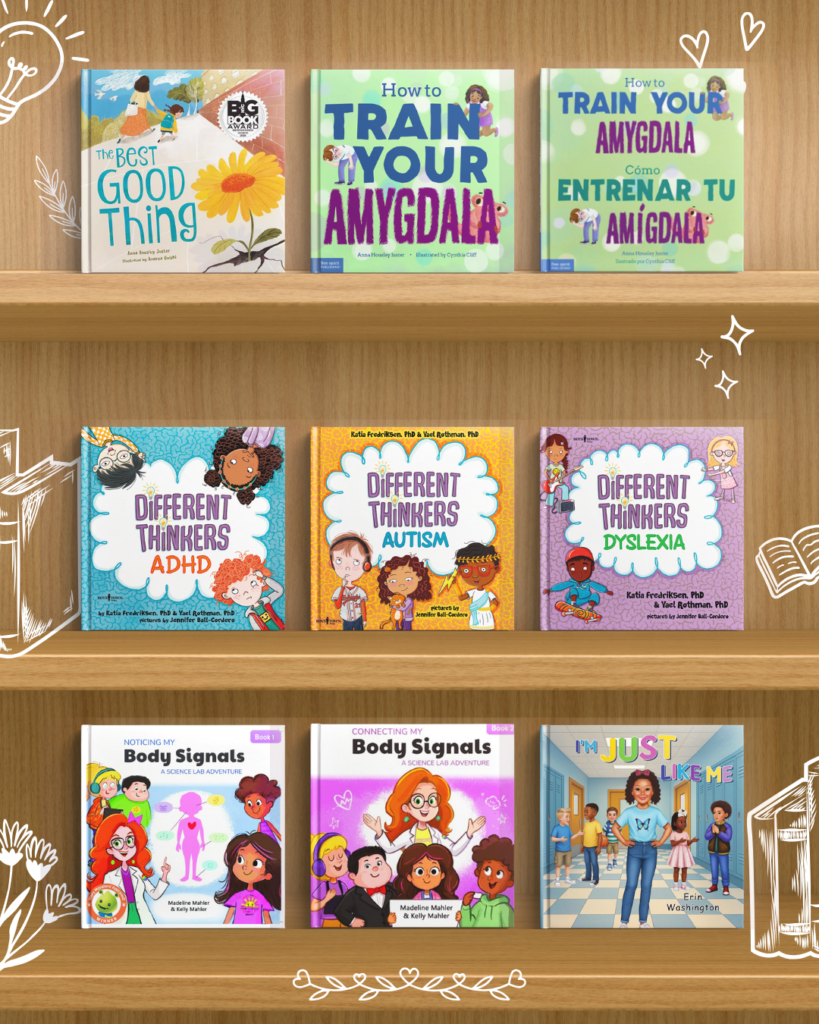
Register by Nov. 16 and you’re entered to win some of these books for your school library or classroom.
Want to gift this to a teacher or school?
Click here to purchase an Individual Pass to gift. Or, email me if you’re interested in gifting an Organization Pass.
Yes. Free Access gets you real content at no cost. The trade-off: each day's 8 sessions are only free to watch for 24 hours after they drop, so you'll need to show up on the days of the event to catch them. No tracking, certificate, or credit on this tier either — for lifetime access and certification, consider the Individual Pass.
8 pre-recorded sessions release each day, November 14–16. Each session is free to watch for 24 hours after it drops. To catch everything free, you'll need to watch all three days.
Free Access is 24-hour windows per session Nov. 14-16, no tracking, no certificate. The Individual Pass gives you lifetime replay access to all 24 sessions to watch anytime, plus a certificate of completion and take-away sheets.
Yes and No. Certification requires tracked viewing, which only happens on a paid pass. If you start on Free Access and decide later you want a certificate of completion or PD, you'll need to re-watch sessions after upgrading.
It's a separate add-on, $99 USD per person, through our university partner Courses4Teachers. It uses your certificate of completion from the symposium to issue credit, so you'll need your certificate first, then add credit afterward. Learn more here.
Everything is pre-recorded so there's no live component. Free Access has the 24-hour daily windows; paid passes give you lifetime access to watch whenever works for you.
Absolutely! That's what the Organization License is for. It covers up to 3 locations, includes 3 certificates of completion, with additional certificates at $50 each. More details in the pricing section above.
Yes. If the Individual Pass or Organization License isn't a fit, email us within 14 days of purchase for a refund.
Yes! Gift an Individual Pass and the recipient gets a gift voucher with their own registration code. They register with it, which sets up their own tracked account. Want to gift access to a whole school? Email us and we'll set it up.
1. Dunlosky, J., Rawson, K. A., Marsh, E. J., Nathan, M. J., & Willingham, D. T. (2013). Improving Students’ Learning With Effective Learning Techniques: Promising Directions From Cognitive and Educational Psychology. Psychological Science in the Public Interest, 14(1), 4–58.
2. Ryan, R. M., & Deci, E. L. (2000). Self-Determination Theory and the Facilitation of Intrinsic Motivation, Social Development, and Well-Being. American Psychologist, 55(1), 68–78.
3. Universal Design for Learning framework. CAST.
4. Walton, G. M., & Cohen, G. L. (2011). A Brief Social-Belonging Intervention Improves Academic and Health Outcomes of Minority Students. Science, 331(6023), 1447–1451.
5. Center on the Developing Child, Harvard University. Toxic Stress research.